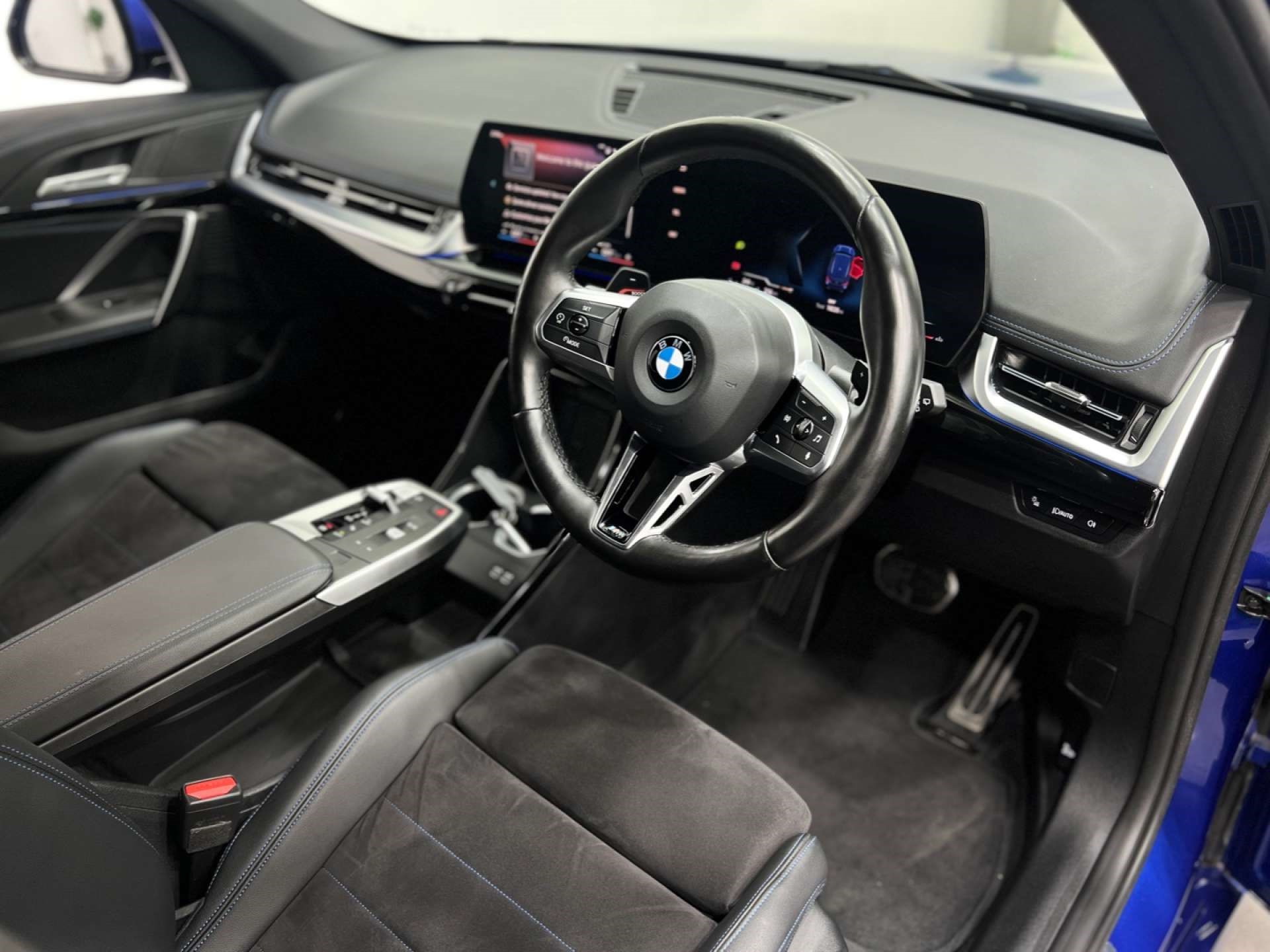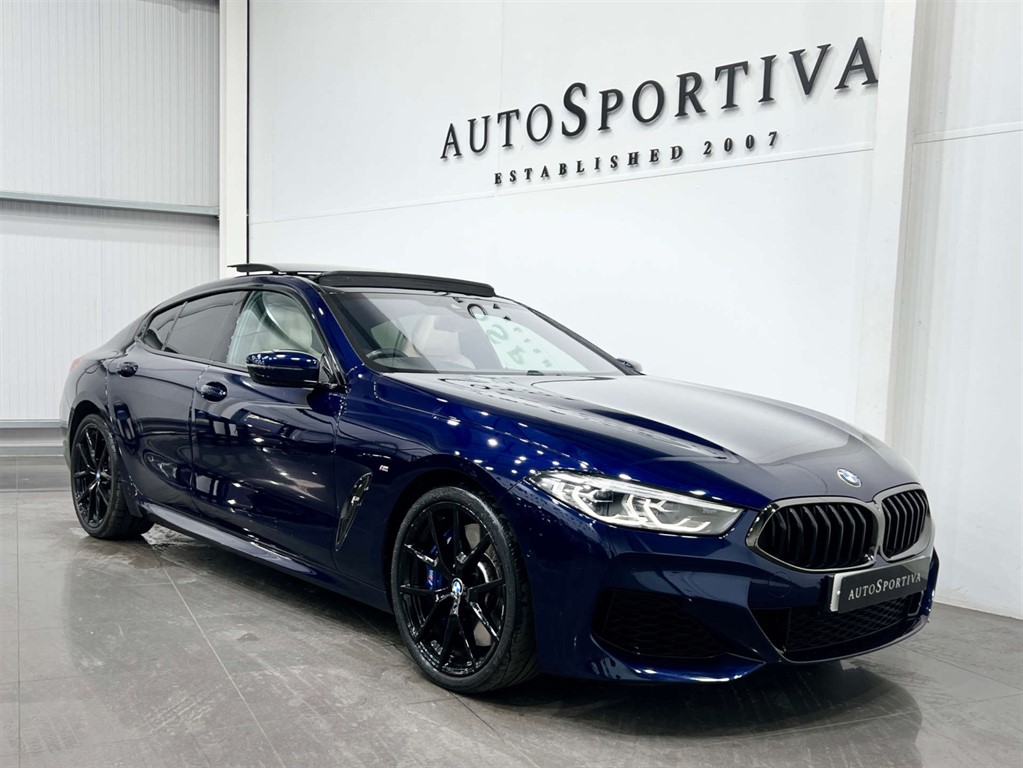
BMW has decades of heritage, which covers thousands of cars of all shapes and sizes. Today, BMW continues to be the maker of some of the most in-demand cars around, ranging from saloons like the ever-popular 3 Series to the practical X5.
Here at Auto Sportiva, we’ve got a great range of BMWs to choose from, including the powerful M3 Touring and the spacious and premium X7. But how did this brand start, and how has it changed over the years? Let’s take a look.
Genesis
BMW’s history stretches back to 1916, which is the foundation date of Bayerische Motoren Werke AG, with the company’s emblem, which depicts the Bavarian state colours, created a year later. In 1922, BMW moved to Munich’s Oberwiesenfeld airfield, and even though it relocated there over 100 years ago, it remains the site of BMW Group’s main plant and headquarters.
However, it would take until 1928 for BMW to become an automobile manufacturer. During the Second World War, BMW became a huge part of the German war effort, producing motorcycles and cars alongside aeroplane engines. In 1939, BMW created the 321, which was created in both saloon and convertible forms.
First post-war car
Following the war, BMW went through a dramatic period of reconstruction. Its first car, built from 1952, was the sleek 501 saloon, which had space for up to six people and used a six-cylinder engine, which would become a hallmark of nearly all future BMW models. In 1953, the beautiful 507 was created, though despite its impressive design, it didn’t prove a hit; just 251 units were produced in total.
In 1961, BMW presented its 1500 model, which showcased this car maker’s ability to produce vehicles for the masses, which still had an element of sportiness.
‘Bubble car’ design
BMW needed a car that would be a mass-seller, so in the mid-1950s, it partnered with Milan-based firm Iso to create the BMW Isetta, a small ‘bubble car’ which uses a single-cylinder four-stroke engine and a tiny cabin accessed via a front door. It did impressively well, and more than 10,000 were sold during the car’s first year of production. More than 161,000 were made between 1955 and 1962.
The ‘four-cylinder building’
In 1970, BMW started building a new administrative tower block close to Munich. With its trademark shape, it’s a site which is known as the ‘four-cylinder building’ and it’s still a key attraction to this day. Five years later, a monumentally important car would arrive - the 3 Series. In the first-generation E21 form, it marked a replacement for the 02 series and debuted a driver-focused interior. It was an immediate hit, and just six years later, one million 3 Series cars had been produced.
The second-generation 3 Series - or E30 - arrived later on, with the inclusion of a high-performance M3 model in 1986, showcasing a combination of everyday usability and speed. It was during this period that we saw the arrival of the third-generation 5 Series, too, which attracted attention for its sheer variety of engines alongside saloon and Touring bodystyles. In 1989, the 8 Series flagship arrived, delivering a new side to BMW in the form of a luxurious grand tourer.
The arrival of a roadster icon
In 1995, the BMW Z3 was launched. Lightweight and intuitive to drive, the Z3 played a starring role in the James Bond movie ‘Goldeneye’, which came out three months before the car’s market launch. BMW also chose to add a hard-top ‘coupe’ version into the mix, which would become known as the ‘clown shoe’ car.
BMW goes off-road
BMW broke new ground for the industry as a whole when, in 1999, it launched its first Sports Activity Vehicle - or SAV - with the X5. A hit from the very beginning, the X5 showed that off-roaders needn’t be uncomfortable, and its popularity meant that production ran until 2006 when its replacement was introduced.
At a similar time, BMW was having huge success with the M3 in its E46 generation. First launched in 2001, the M3 of this age came to define this model and more than 85,000 examples were produced.
A new style of hatchback
In 2004, BMW created the 1 Series - a premium-feeling hatchback which provided a new entry point into the range. With a smart interior and a rear-wheel-drive layout, the 1 Series brought a similar kind of ethos to the original 3 Series.
In contrast, the X6 of 2008 showcased a different flavour of SUV with a more coupe-inspired design, which certainly divided people.
BMW makes electric cars for the people
Electric power was already being talked about, but BMW showcased a new way of battery power with the i3 in 2013. Compact but featuring some high-end features such as a carbon-fibre body, the i3 would go on to become a very popular EV, while a range-extender version with a compact petrol engine gave the i3 a wider usability case.
In 2014, BMW took that electrification to a wilder area with the i8. Featuring impressive scissor doors, the i8 wasn’t just good-looking but fantastically efficient thanks to a clever hybrid system.
The modern day
Today, BMW’s range is more varied than ever, with cars like the X1, X2, and 2 Series Active Tourer showing different sides to the brand. Plus, you’ll still find time-honoured favourites like the 3 Series and 5 Series included in the line-up, showing that BMW hasn’t lost sight of where it came from - or which of its cars have always been popular.
The good news is that you’ll find many BMW vehicles here at Auto Sportiva, so browse our current range to find one you’d like or get in touch to speak to a member of the team.