
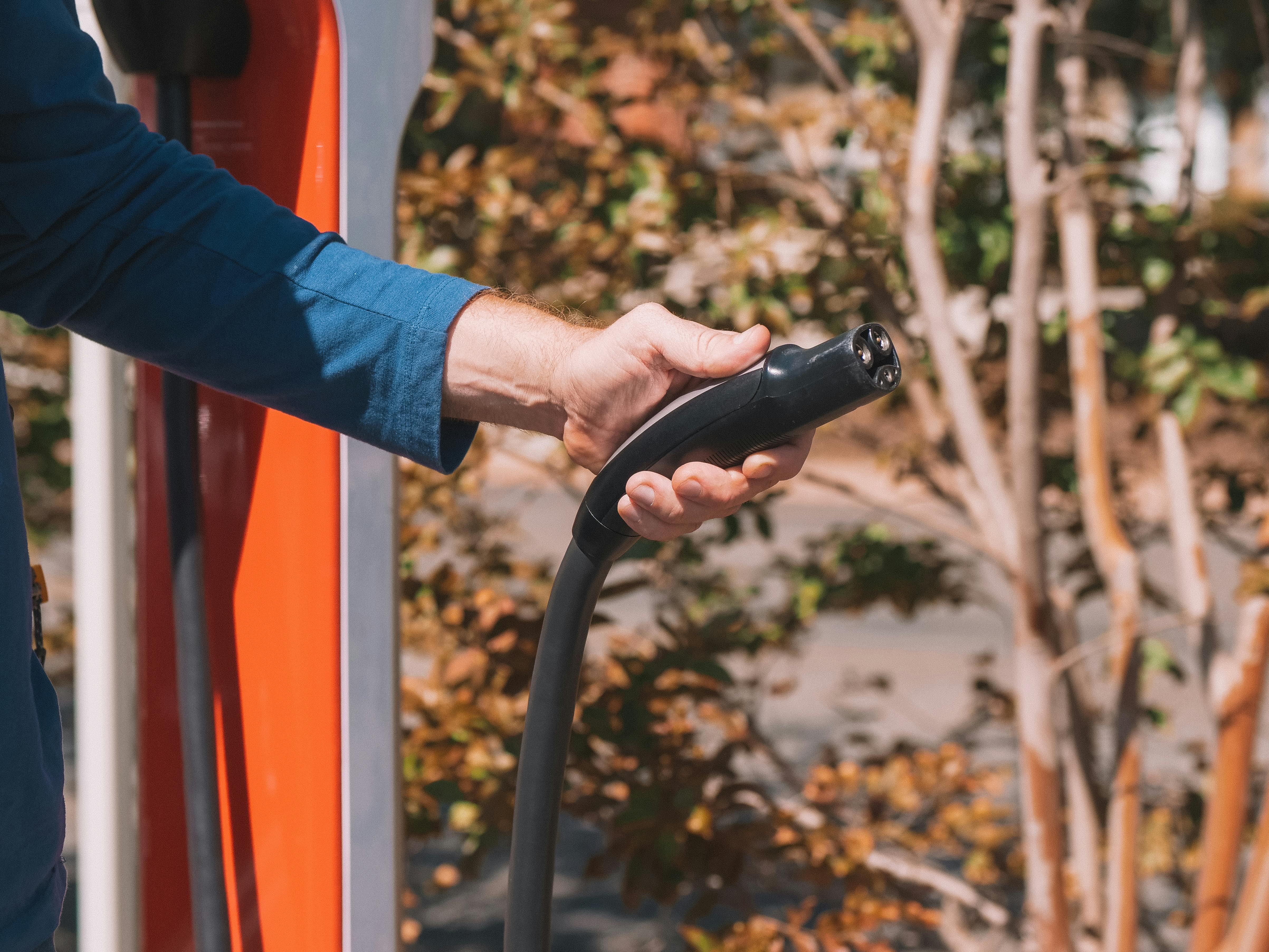
If you’re considering purchasing an electric car - or already own one - then electric car charging is something that you’ll likely have already thought about. There are plenty of charging options out there, too, and public infrastructure has been growing at a fearsome rate with over 4,000 rapid or ultra-rapid chargepoints installed during 2024 alone.
Here at Auto Sportiva, we’ve got a wide selection of EVs to check out today but if you’re thinking about making the switch, then how do home and public electric car charging compare? In this article, we’re going to be finding out.
Home electric car charging
Home charging is by far the easiest option when it comes to topping up your electric vehicle. With it, you’ll be able to simply drive up to your home, plug in and wait for your car to be fully charged. Plus, doing so allows you to take advantage of super-low EV-specific charging tariffs that can help drive down the cost of using an electric vehicle.
There are some factors to think about, however. For one, you’ll need off-street parking - or somewhere that you can reliably stop - in order to charge up when you need to. You’ll also need to install the charger itself, with the cost of both the unit and the installation usually totalling around £1,000. Finally, there’s speed; the quickest home chargers that you’ll be able to install usually deliver around 11kW of power, which is enough to charge up an average EV in around six hours. However, the vast majority of homes will only be able to accommodate a 7kW charger - without upgrades to the home energy system, that is - which is about enough to fully charge an EV overnight. Home charging, therefore, isn’t the best if you’re in a rush and need to top-up quickly.
Public electric car charging station
Public electric car charging is something that you’ll have to rely upon when you’re out and about. As mentioned, the number of available public charging points has increased considerably over recent years. In fact, there are now just shy of 74,000 charging points across the UK, as well as 537 rapid charging ‘hubs’ that include at least six rapid or ultra-rapid chargers.
Speed is the big plus-point of public charging and something that you won’t be able to achieve when topping up at home. Some of the speediest units out there can top up an average EV from 10 to 80 per cent in under 30 minutes - and a few can go even quicker than that.
There are a few issues with public charging, mind you. For one, while availability has sky rocketed there are still reliability issues - something that can be frustrating if it happens more than once. Plus, there is no centralised charging network, so you’re required to have multiple apps for a variety of providers, though all charging units are meant to have contactless payment pads on them. Finally, there is price - but we’ll look into that in more detail shortly.
Price
Price is a big sticking point and one of the key differences between home and public charging. The energy that you’ll use to charge is measured in pence per kilowatt hour - or p/kWh - and it’s this which varies massively between the two types of charging. For instance, if you’re able to take advantage of an EV-friendly energy tariff at home and charge during off-peak periods, then you could see a cost as low as 7p/kWh. As a result, you could fully charge something like the BMW iX for as little as £5.00 - which is great value for a range of over around 200 miles.
Contrast this with public electric car charging and the difference is stark. Use an ultra-rapid charger and you could see a cost of 80p/kWh - or more - and this would make a full charge for the same car cost in the region of £57. For 200 miles, it would be cheaper to use a petrol or diesel car. However, if you’re able to take advantage of a home charger, then you might only use a public rapid unit for a quick top-up to get you back to your house.
There are lower-cost public chargers, of course, but they’ll be slower. There are even some free-to-use charging units at locations such as hotels and leisure centres but, again, these won’t offer a rapid rate of charge - though if you’re looking to save money on top-ups then this may be a good trade-off.
There are lots of options when it comes to electric car charging but you’ll still need to think about whether an EV will fit for you. Here at Auto Sportiva we’ve got many of the latest electric vehicles to choose from but, if you’d like to know more, then get in touch to chat with one of our trained specialists who will be able to give you further information on the ins and outs of battery-powered vehicles.
